
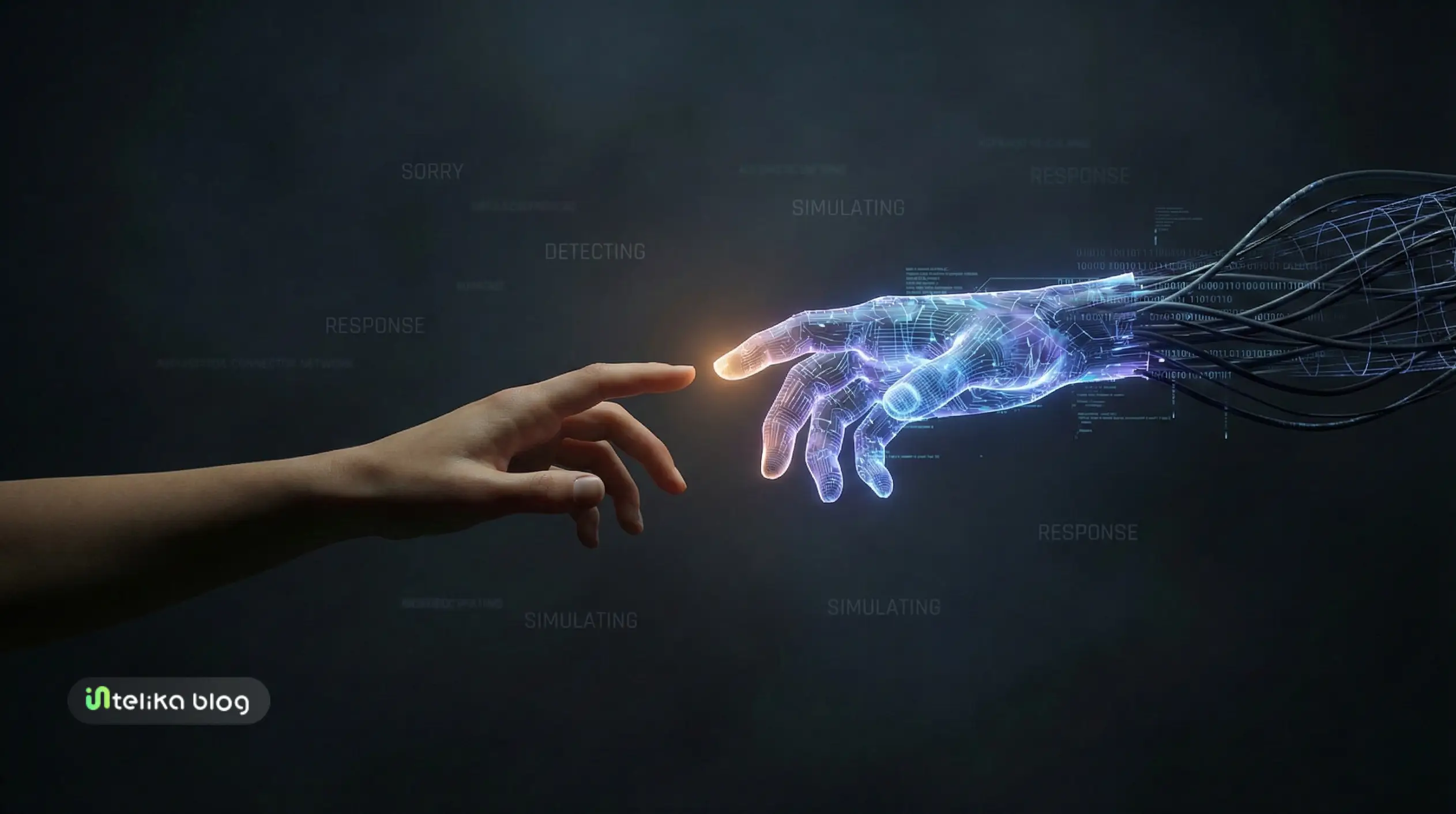
When you tell Alexa you’re frustrated, she’ll apologize politely. When you type to ChatGPT that you’re sad, it might offer comforting words. But here’s the uncomfortable truth: neither of them actually feels anything.
That raises a question many people are starting to ask: will machines ever really understand emotions—or just fake it better?
The Illusion of Empathy
If you’ve used a chatbot for customer service, you’ve probably seen something like:
“I’m sorry you’re experiencing this issue. Let me help you fix it.”
It feels empathetic. But in reality, the system has just matched your complaint to a response pattern. It’s not sympathy—it’s syntax.
This isn’t necessarily bad. Most people don’t care if the system “feels” their pain; they just want their Wi-Fi fixed. But when we start talking about therapy bots, grief companions, or AI in healthcare, the difference between sounding caring and actually caring matters.
Can Machines Detect Emotions?
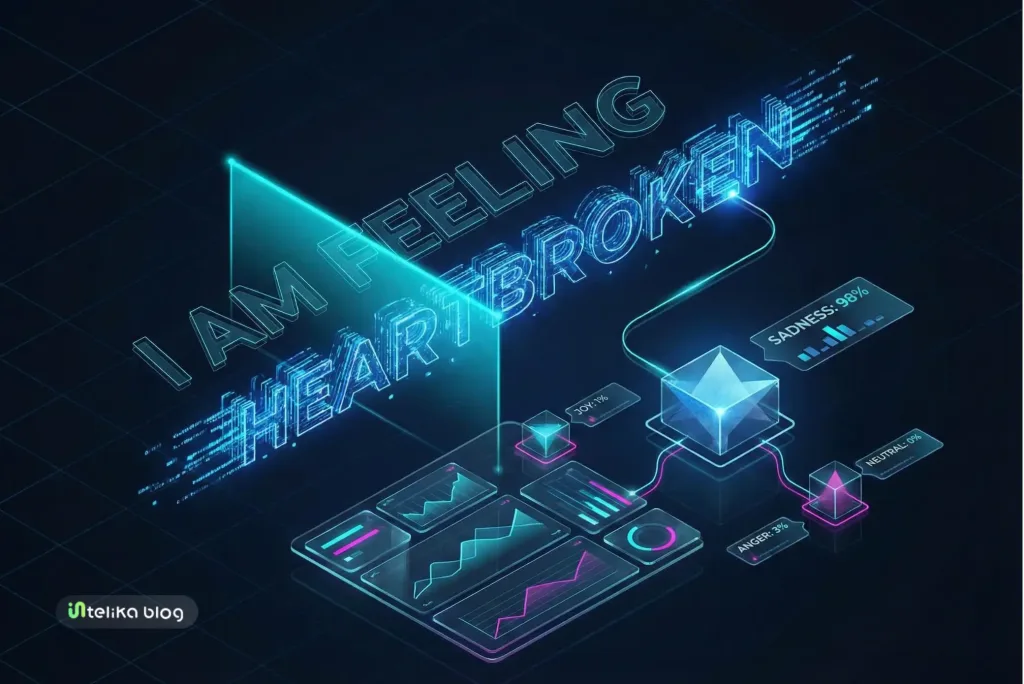
Technically, yes—at least on the surface. Current NLP models can analyze tone, word choice, even emojis to predict emotional states.
- “I can’t believe this happened 😡” → Anger
- “This is the best day of my life!!!” → Joy
Some systems even pair text analysis with voice tone and facial recognition. That’s why call centers can route you to a human if the AI senses you’re getting upset.
But this is detection, not understanding. It’s closer to reading a weather report than feeling the rain.
Why True Emotional Understanding Is Hard
Humans don’t just process words—we live through experiences. When you say, “I’m heartbroken,” an AI can connect the phrase to sadness, but it has no personal memory of loss, no lived context.
Emotions are messy, culturally shaped, and sometimes contradictory. Even humans struggle to interpret each other’s feelings—so expecting machines to fully grasp them might be asking too much.
The Middle Ground: Useful, But Limited
So what’s the likely future? AI may not “feel,” but it can still play a valuable role:
- Mental health support: Tools like Woebot or Wysa already use NLP to guide users through CBT techniques. They don’t replace therapists, but they offer accessible first-line support.
- Customer experience: Smarter chatbots can adapt tone based on user mood—more patience if you’re angry, more energy if you’re excited.
- Accessibility: NLP can help people with social difficulties (like autism) interpret emotional cues in conversations.
In these contexts, imitation is enough to be useful—even life-changing.
Will They Ever Really “Feel”?
Here’s the honest answer: probably not, at least not in the way we do. Machines don’t have bodies, hormones, or lived histories—the raw materials of human emotion.
But what might happen is something different: AI developing a kind of functional empathy. Not emotions as we know them, but models sophisticated enough to respond so convincingly that, for practical purposes, it won’t matter.
If your therapy bot helps you get through a panic attack, does it matter that it doesn’t “feel” your fear?

Final Thoughts
The future of NLP won’t be about teaching machines to feel—it will be about teaching them to respond in ways that respect and support human feelings.
We may never build an AI that knows heartbreak. But we can build ones that recognize it, adapt to it, and maybe even make it a little easier to bear.
And maybe that’s enough.