
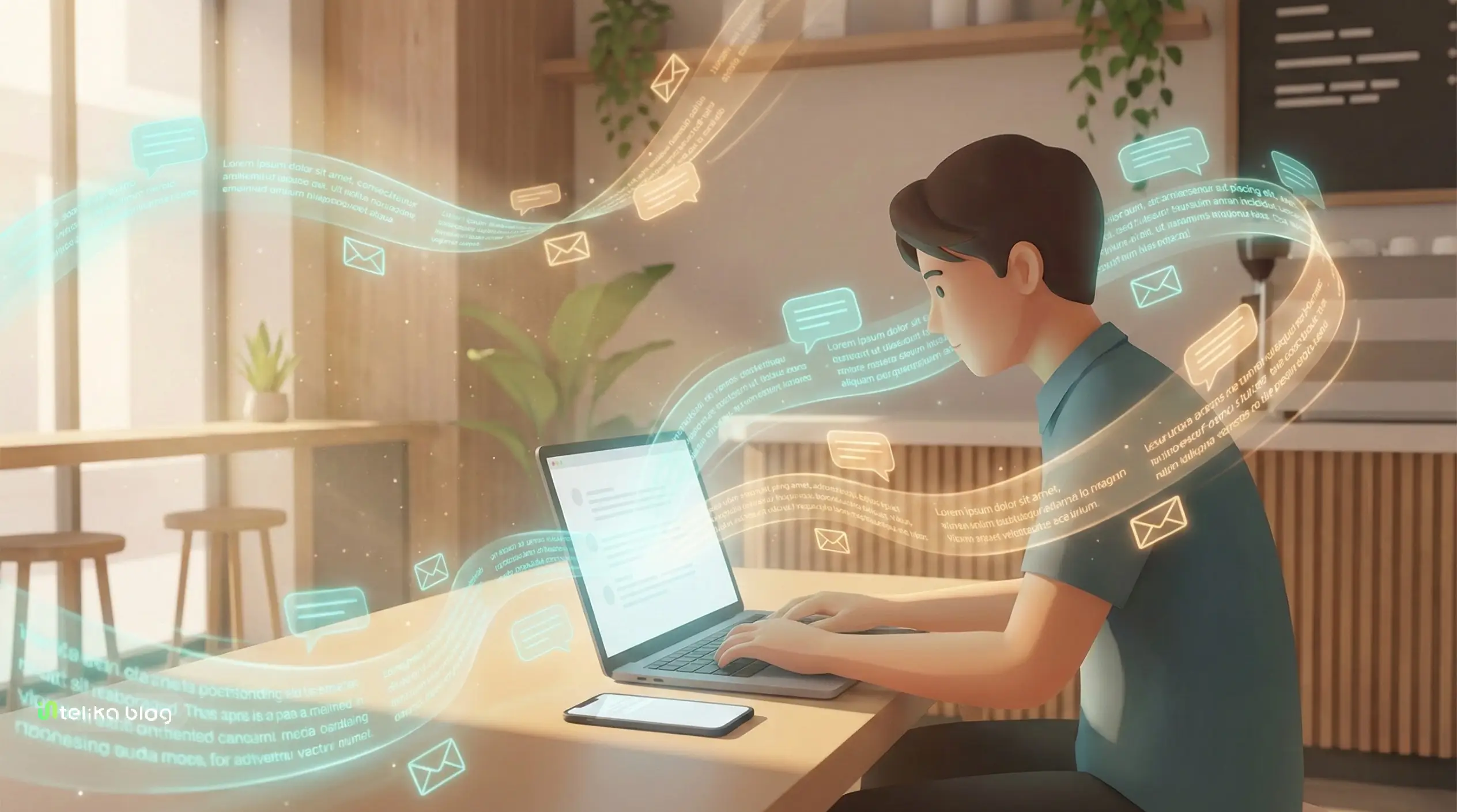
If you’ve ever been saved from a scam email, asked Siri for directions, or seen Netflix recommend a movie that was weirdly spot-on, you’ve brushed up against Natural Language Processing (NLP)—whether you realized it or not.
We tend to think of AI and language models as futuristic tools, but in reality, NLP has been quietly shaping our digital lives for decades. Let’s take a little tour through the invisible places where it shows up every day.
Your Inbox’s First Line of Defense
Think back to the early days of email—when spam clogged your inbox with promises of lottery winnings and “royal inheritances.”
Today, most of those never even reach you. Why? Because your email provider runs messages through an NLP-powered spam filter.
It scans the text, looks for suspicious wording patterns (“Congratulations!!! You won”), analyzes sender behavior, and decides whether that email belongs in your inbox or the junk folder.
Without NLP, your morning routine would start with deleting junk instead of sipping coffee.
The Little Typing Assistant on Your Phone
Ever notice how your phone finishes your sentences? You type “Happy birth…” and it suggests “day!”. That’s NLP at work.
Autocorrect, predictive text, grammar checkers—these tools aren’t just “guessing.” They rely on statistical models and, increasingly, transformer-based systems that learn how words flow together.
In other words, NLP has been quietly proofreading your texts long before ChatGPT showed up.

Customer Support That Doesn’t Sleep
Remember the last time you chatted with a website’s customer service bot at midnight? Odds are, you weren’t talking to a human.
Modern chatbots use NLP to understand your request (“I forgot my password”) and respond in natural-sounding language. While the conversation might not always feel perfect, it saves companies money and gets you help faster.
Search That Understands You (Kind Of)
Google searches used to be literal. Type “best pizza London cheap” and it would look for those exact words.
Now you can ask, “Where can I grab affordable pizza near me tonight?” and still get good results. That leap comes from NLP, which helps search engines interpret meaning, not just keywords.
It’s not flawless—but it’s why you can talk to Google like a person instead of a database.
Streaming, Shopping, and Beyond
NLP also lurks behind:
- Netflix recommendations (analyzing descriptions and reviews to match your tastes).
- Amazon product suggestions (understanding your browsing history and item descriptions).
- Voice assistants like Alexa, which convert speech into text and then parse it with NLP before replying.
It’s everywhere—so seamlessly that we barely notice
The Point: NLP Isn’t New, Just Louder
The hype around AI chatbots makes NLP sound brand new. But in reality, it’s been part of our digital lives for years.
The only difference now is visibility. With tools like ChatGPT, you see the conversation happen in front of you. But under the hood, it’s the same family of technologies that’s been quietly making your online world more convenient, one email, search, and recommendation at a time.
Final Takeaway
Next time you get directions from Google Maps or avoid clicking a scam email, remember: you just brushed against NLP.
It’s not just powering futuristic robots—it’s been working quietly in the background, shaping how we write, search, shop, and talk online.
And chances are, you’ll keep using it every day without even noticing.